














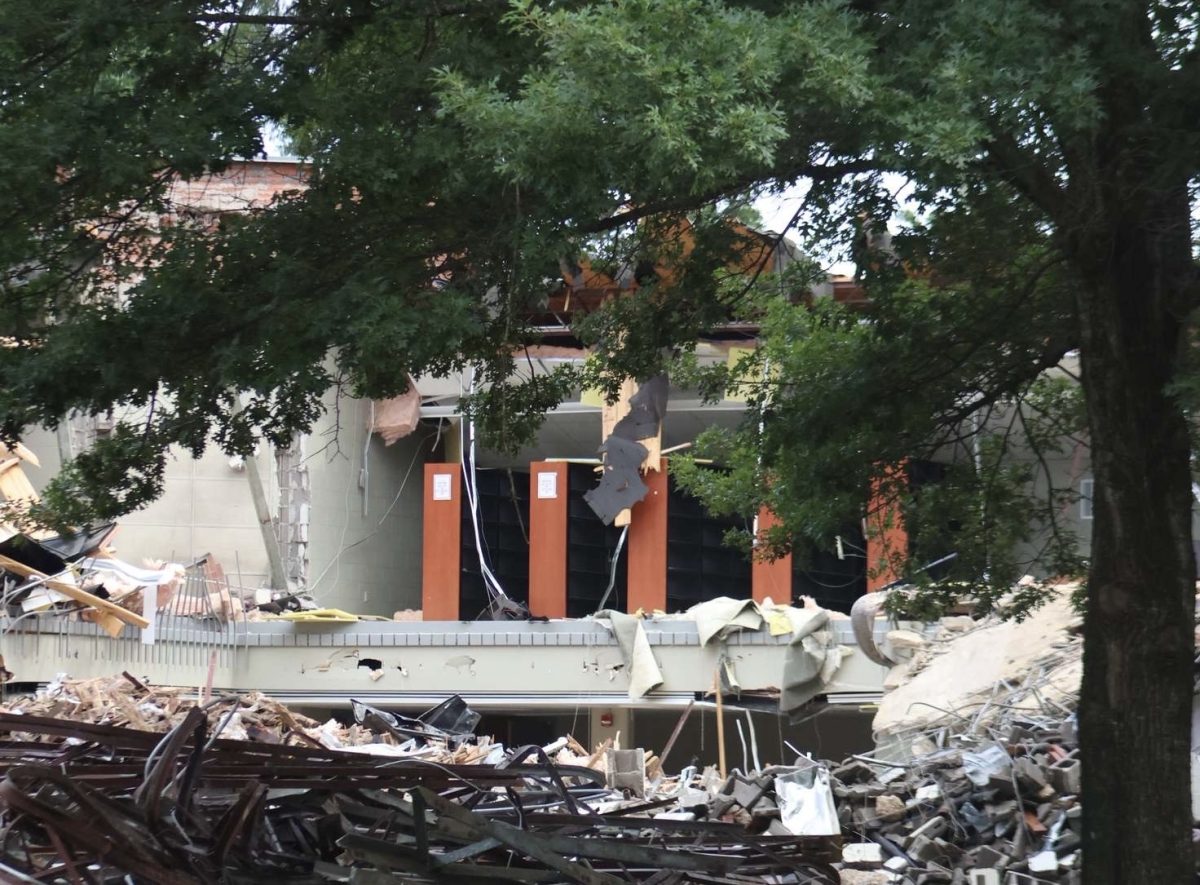








When the snowstorm hit Memphis last month, classes weren’t the only thing canceled. The MUS Theater Company’s spring production “Arsenic and Old Lace” was completely stalled. Roughly a month into production, MUS Theater lost ten days to weather. Anyone who walked past the Hyde Chapel after the break would have had no indication of a play scheduled for two weeks later.
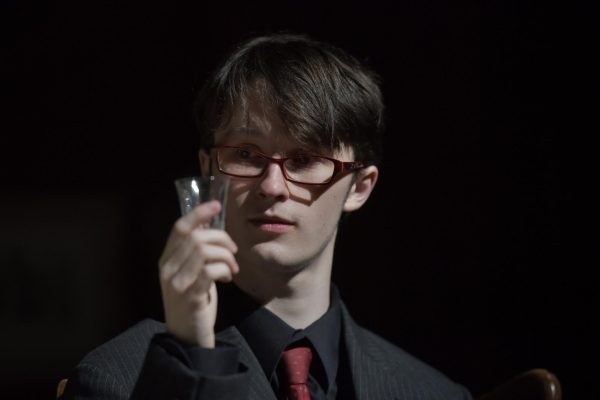
“At first, it looked like it was going to be a big mess,” said Aidan Stacey (12), who played lead Mortimer Brewster. “We didn’t even really have a set for a while. Then suddenly, within two weeks, it just came together. It’s kind of a miracle.”
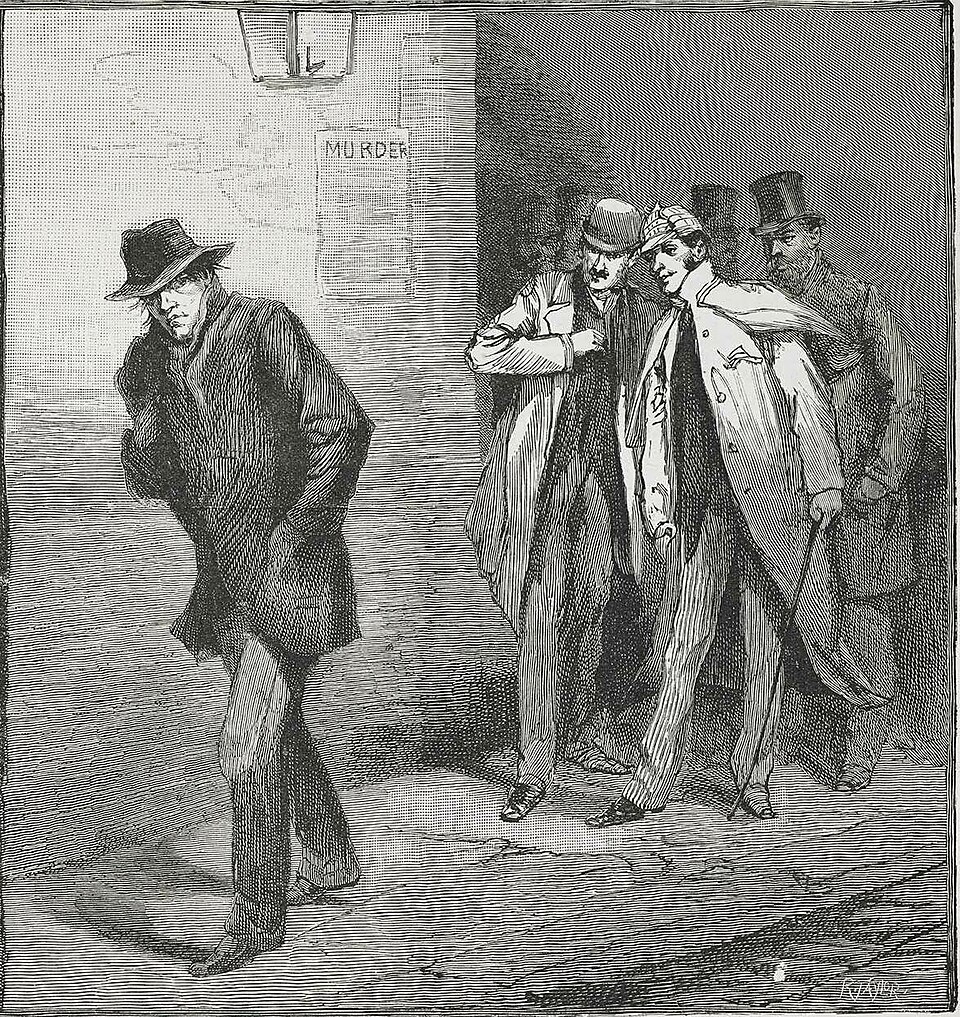
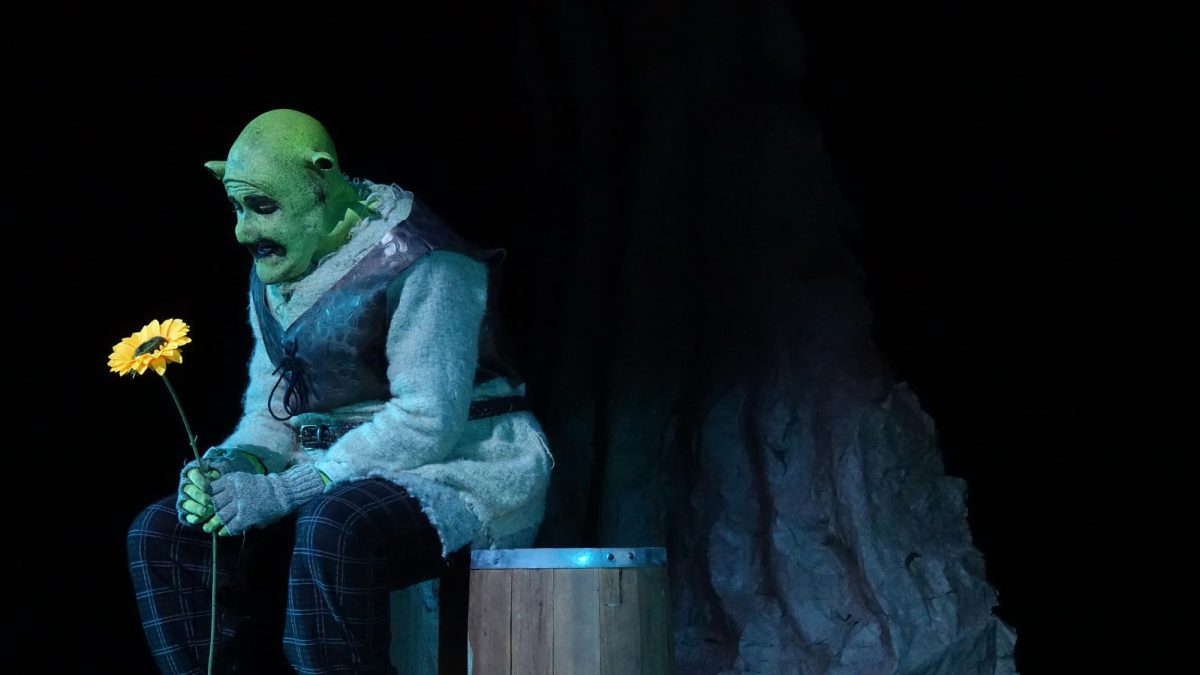
Joseph Kesselring’s dark comedy set in 1940’s Brooklyn requires a level of prevision and fast pacing that isn’t as central as previous MUS productions like “Shrek: the Musical” or “Chicago.” Stacey described this show as less rigid and more improvisational in tone.
“With other shows, if something went wrong, it was obvious,” Stacey said. “This one had such an unserious vibe that if you missed a line, you could honestly work around it. We improvised most [rehearsals]. It was bound to go smoothly—once we got there.”
Getting there, however, was not simple.
In addition to the snowstorm, the cast faced a major last-minute change: Kellett Giles (12) stepped into the role of Officer Klein just two weeks before opening night after the original actor was forced to withdraw.
“I realized I wasn’t doing much after school second semester,” Giles said. “I’m a senior! I might as well try something new.”
With only 27 lines, Giles said his role was manageable, but the adjustment had a huge learning curve. He credited Director Jeff Posson ’03 and the veteran cast members for teaching him blocking, choreography and stage mechanics.
“They had already been working on the production for almost a month,” Giles said. “I had a lot of questions—where to go, when to move, how to memorize everything. But I never felt stupid for asking. They just wanted me to understand.”
Behind the curtain, the technical side of production faced its own challenges. Robert Fudge, MUS theater technical director, oversees both high school set construction and a sixth-grade shop class that introduces middle school students to hands-on design.
“I think it’s a natural fit for boys that age,” Fudge said. “Building a set uses the same skills as building a treehouse or fixing a bike. It’s problem-solving. It’s prototyping. It’s learning to think like a designer or engineer.”
That mindset was essential this season. With construction time cut short by snow, students were forced to finalize structural elements, and prepare the detailed interior set that “Arsenic and Old Lace” required.
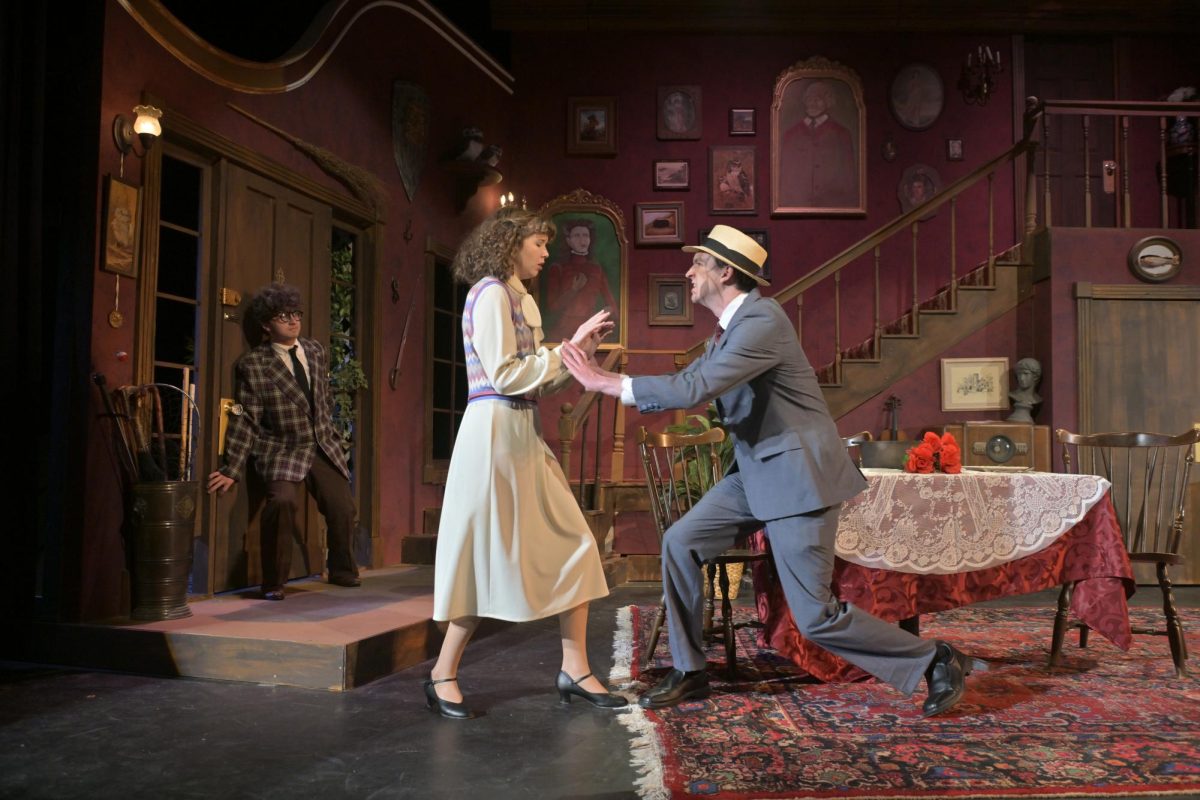
And yet, the set was the most blatantly mind-blowing feature of the play. Walking into the classically urban Brooklyn home was shocking. The stage was plastered with art and furniture, a sword that Witt Ezzell’s (12) Teddy Brewster could audibly “CHARGE!!” up the stairs with, a freakishly normal door that hid thirteen graves and a window-seat that held one of its own.
For Stacey, the production had personal weight. Having participated in nearly every MUS show since freshman year, he described the theater company as a place where students can grow without fear of judgment.
“You can really be yourself in that space,” he said. “It made me appreciate acting more. You just have to study people, study movements, and commit.”
As the curtain closed on “Arsenic and Old Lace,” it also marked the final mainstage performance for many seniors in the company. What began as a disrupted rehearsal schedule became a path to actors improvising under pressure, newcomers stepping in without hesitation and crew members solving problems in real time.
Against snow days and uncertainty, the MUS Theater Company delivered a performance only describable like the Brewster sister’s elderberry wine: unexpectedly potent, perfectly timed and impossible to forget.