


















The News Literacy Project’s new report on how teens view the media doesn’t sugarcoat anything: most teenagers think the news is biased, boring, or flat-out bad.
And honestly, they’re not even in the wrong.
Plenty of news outlets lean into narrative-driven coverage, rush stories out without enough verification or blur the line between reporting and commentary. Journalists have earned part of the distrust that teens feel.
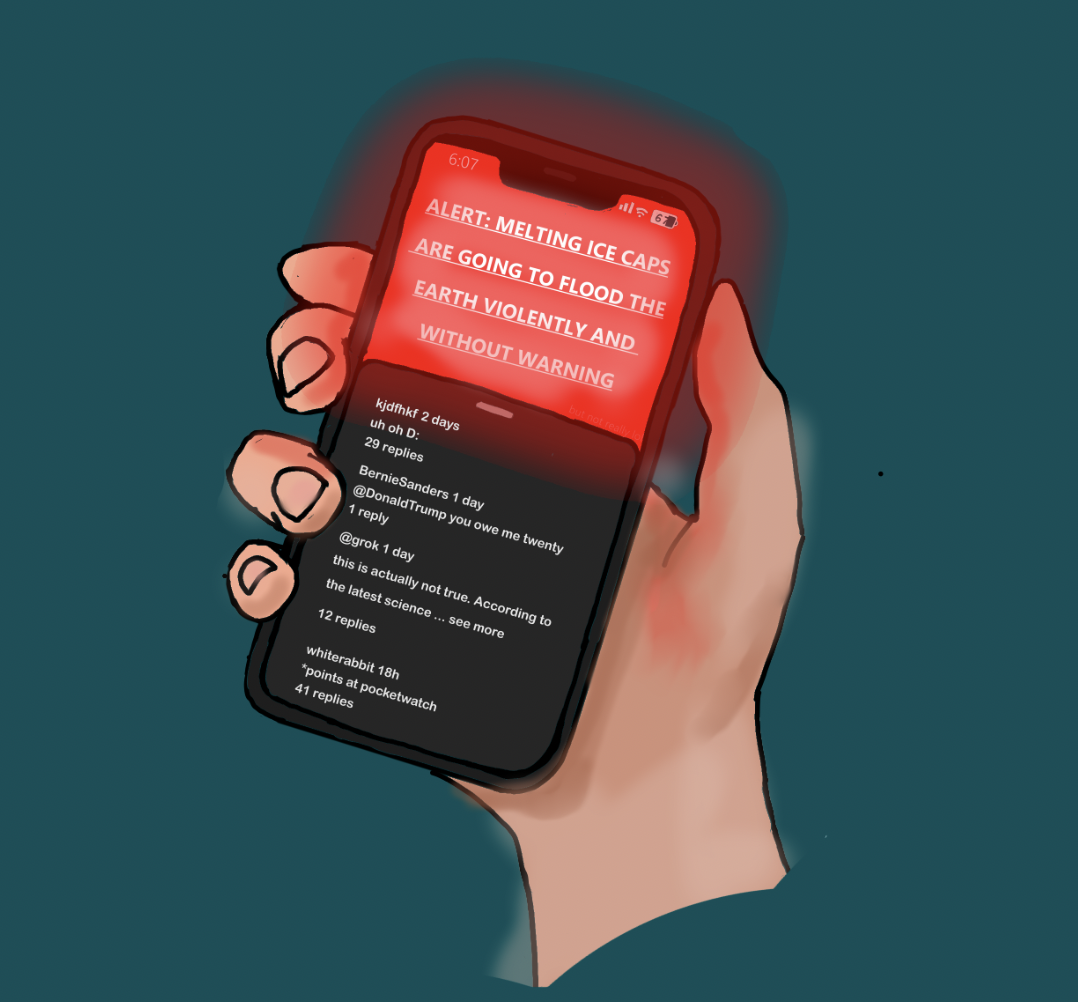
But focusing on only newsroom mistakes misses the other half of the problem. Teens increasingly consume news through short-form platforms built for speed and entertainment, not accuracy. TikTok, Instagram Reels and others can deliver a headline in seconds, but they can’t deliver context.
These platforms reward confidence and an emotional punch, not nuance or verification. A creator who oversimplifies, or just gets something wrong, can go viral much quicker than a reporter explaining a complicated issue responsibly. When people say traditional reporting feels “boring,” they’re really saying it doesn’t match the pace and excitement they’re used to.
This puts teens in a strange position: they distrust the news, but rely heavily on formats that make misinformation, and occasionally disinformation, easier to spread. The report shows that these victims clearly cannot distinguish between professional journalism and influencer commentary. That’s not a moral failing; it’s what happens when the information ecosystem and pipeline treats all content as equal and pushes everyone toward the shortest, most popular and most watchable version of events.
The algorithm isn’t a journalist, yet it makes sure its voice is heard. Yes, journalists need to step up. Transparency should be the default. Explain how stories are sources and label opinions and biases clearly. Publicize corrections just as visibly as mistakes. The more newsrooms can show their process, the less teens will assume a bias or bad faith.
But teens, and adults alike, have responsibilities too. News literacy is a much more necessary discussion and topic of teaching than ever before. Teens should know how real reporting works and what separates it from the quick 60-second slices of sensationalized storytelling that dominate their feeds.
It is imperative for people as a whole to push past the instinct to consume whatever they see first in bite-sized form. Debate is futile without being able to develop your own opinion from unbiased information. A functioning democracy depends on people understanding more than the headline version of events.
The report’s message is blunt but helpful: distrust didn’t appear out of nowhere, and it won’t go away laissez-faire either. Journalists, influencers and teens alike helped create this distrust. Fixing it requires a change from everyone involved.