







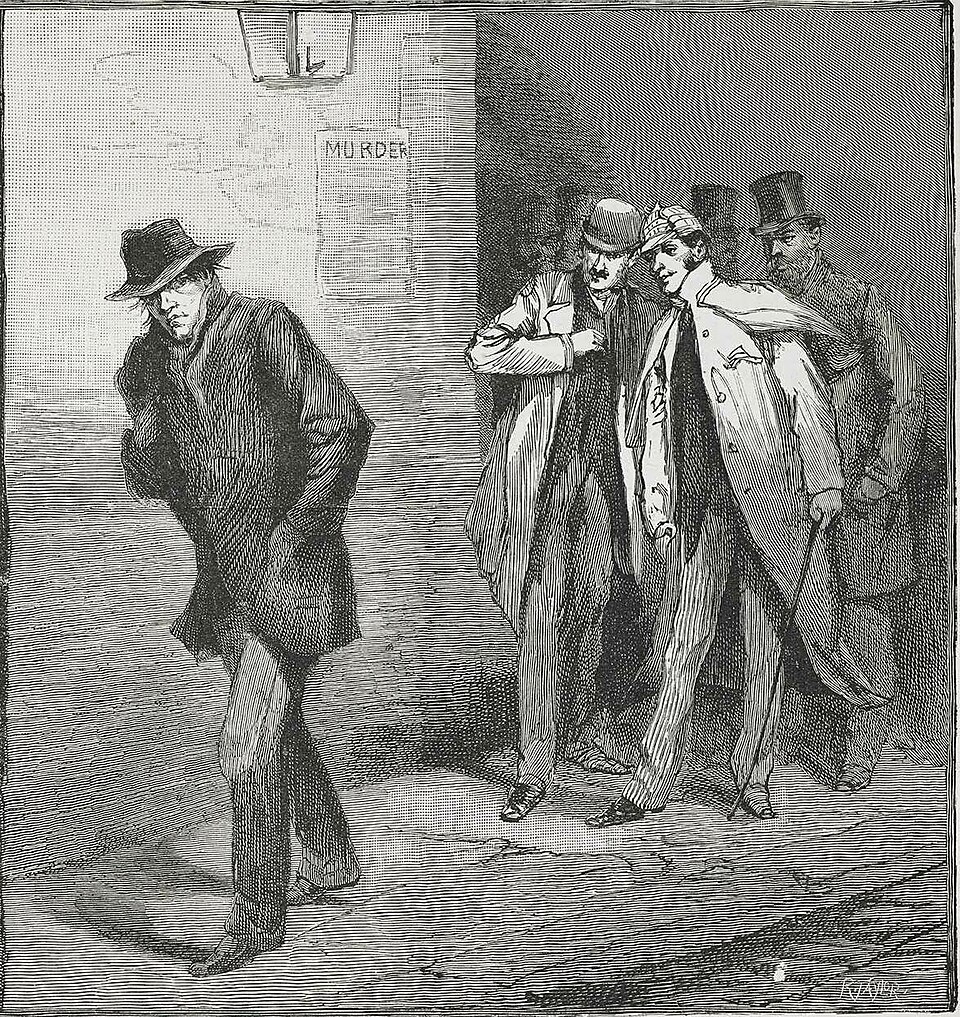


























Editor’s Note:
This paper was originally written for AP European History. It argues that the 1888 Whitechapel murders, though not the direct cause of fingerprinting’s adoption, served as a catalytic failure that exposed the severe limitations of Victorian policing methods (specifically eyewitness testimony and patrol-based surveillance). By analyzing the investigative weaknesses revealed during the Jack the Ripper case alongside the subsequent development of fingerprint technology in British India, the research paper demonstrates how these murders created the pressure that led Scotland Yard to adopt fingerprint identification in 1901. The Ripper case thus belongs to the broader history of forensic reform, showing how catastrophic failures can reshape policing by creating an environment receptive to scientific methods of criminal identification.