












I listen to a lot of music.
In fact, I’m hitting close to 1,000 minutes of music per week, according to my music tracking app Airbuds. This past week, I saw some headlines that seemed pretty normal for somebody who lives in the home of the blues, and about three hours from national music hub Nashville, Tenn. A new country song was dominating the top charts.
The kicker?
It was 100% AI-Generated.
In the final scene of 2006 documentary, Kurt Cobain: About a Son, a series of stills are played alongside interviews from late grunge artist and Nirvana frontman Kurt Cobain. Throughout the sequence, one can hear a timely quotation from Cobain overlayed on ambient music.
“It just seems like when rock and roll is dead the whole world’s gonna explode,” said Cobain. “It’s already so rehashed and so plagiarized that it’s barely alive now. It’s disgusting. I mean, kids don’t even really care about rock and roll as much as they used to, as the other generations have … I think they’ll use sounds and tones for music and use it in their virtual reality machines, and just listen to it that way and get the same emotions from it.”
I like to say that I am a huge believer in analog music; at times in my life, I played tuba (for about 7 years) and taught myself guitar near the end of my Sophomore year at MUS. To me, I agree with Cobain. Music is enjoyed by not just the listening of it, but the feeling of it.
Cranking an amplifier to 10. The echoing of drums in your chest. A voice cracking from putting every bit of breath one can into hitting a note.
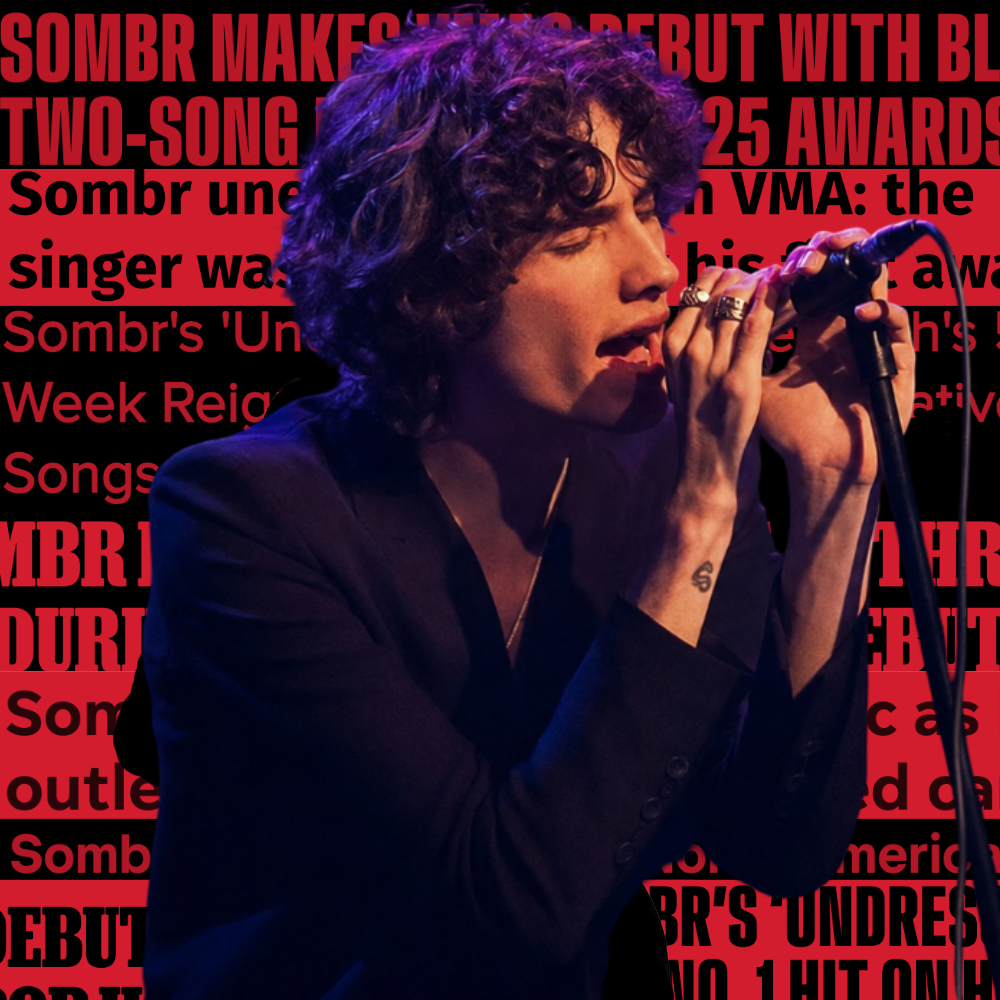
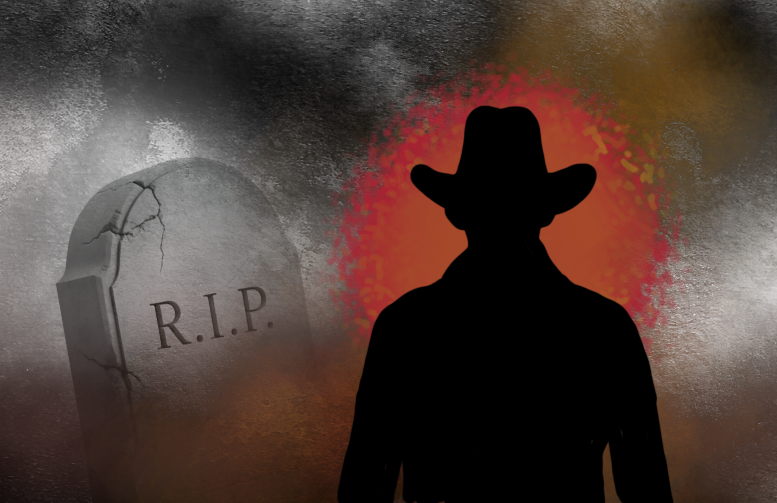
AI-generated musician Breaking Rust has topped Billboard charts for Country Digital Song Sales, according to USA Today. The culprit was song “Walk My Walk,” an odd outlaw-country song that takes generic, stereotyped country storytelling and blends it with modern metaphors.
“I keep moving forward, never looking back / With a worn-out hat, and a six-string strap,” the artist sings in “Walk My Walk.”
“Let the haters talk, let the rumors fly / I ain’t got time to wonder why / The good Lord knows the man I am / and I’ll die standing tall with a mic in my hand.”
Music has evolved in the past, like any art form. Since the pioneers of the 1970s and 80s, such as Grandmaster Flash or The Sugarhill Gang, we witnessed the emergence of hip-hop and rap music that integrated sampling and gave rise to producers, rather than classic musicians. This garnered heat from fellow musicians and public figures, both for the introduction of grittier lyrics but also the seeming replacement of guitarists, bassists, drummers and the go-to heuristic for a musician.
However, the introduction of AI music is concerning, to say the least. Why? Because there is no human in it.
Any person can program an AI musician to create a song, and usually they don’t come out too bad. A quick Google search can result in hundreds of “AI Music Generators” powered by Large Learning Models that attempt to take the best of the best from chart-topping musicians.
The introduction of AI music comes the loss of an entire industry of storytelling and songwriting. Replacement of musicians with AI invalidates the stories that accompany music, disallowing songs to be relatable to the listener. Take, for example, “Fight The Power,” by music group Public Enemy. This 1989 song, released for Spike Lee’s “Do the Right Thing,” became a rallying cry for oppressed youths due to its politically-charged lyrics, fighting abuse of power and systemic racism.
A 1990 article in Time delves into the power of Public Enemy’s work. “The song not only whipped the movie to a fiery pitch but sold nearly 500,000 singles and became an anthem for millions of youths, many of them black and living in inner-city ghettoes.”
The same power comes from other genre-defining artists. N.W.A. Rage Against The Machine. John Lennon. Aretha Franklin.
These musicians connect with their audience not just because of lyrics or instrumentals, but because of lived experience. An AI artist telling a politically-charged story would be no more relatable than a textbook.
By embracing AI musicians, we eliminate the feel of music, creative expression from both classic musicians and producers and the power that lies behind lyrics of our favorite artists and musicians. With AI music, the thrill of music is simply gone, as famed Memphis artist B.B. King once sang.
So, hit pause before you think about tuning into AI-generated music. It’ll serve you and communities of dedicated musicians worldwide better in the long run.